Setting up a Virtual Private Network (VPN) on your device is one of the most effective ways to protect your online privacy, secure your data, and access restricted content from anywhere in the world. While the benefits of VPNs are widely touted, many people feel overwhelmed by the technical steps involved in configuring these tools on their various devices. The good news is that modern VPN technology is designed to be user-friendly, and with a clear guide, anyone can get started in just a few minutes.
In this comprehensive article, you’ll learn how to set up a VPN on different types of devices, how to choose the best method for your needs, and why certain approaches may be more secure or easier to use than others. We’ll also provide a helpful comparison table, walk through troubleshooting tips, and answer the most common questions about VPN setup.
Understanding the Basics: What You Need Before Setting Up a VPN
Before diving into the step-by-step setup process, it's important to clarify what you need to prepare:
1. $1: Choose a reputable VPN provider. As of 2024, globally recognized names like NordVPN, ExpressVPN, and Surfshark boast over 30 million combined users. Subscription costs vary from $3 to $13 per month depending on features and contract length. 2. $1: VPNs can be installed on a wide range of devices, including smartphones, tablets, laptops, desktops, routers, and even smart TVs. 3. $1: A VPN encrypts your data in real-time, so a stable internet connection is essential for seamless operation. 4. $1: After subscribing, you’ll need your VPN account credentials to sign in and activate the service on your device.VPNs can be set up using three main methods: dedicated applications, manual configuration, and router-level installation. Each method has its unique advantages and is suited to different user needs.
Setting Up a VPN via Dedicated Apps: The Easiest Approach
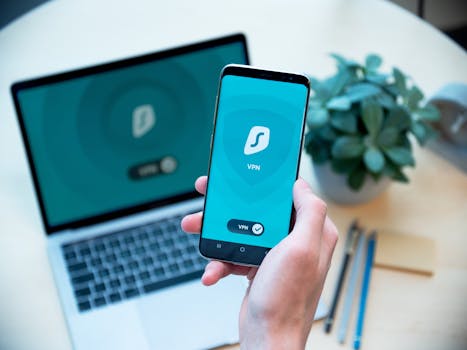
For most users, the simplest and quickest way to set up a VPN is by using the official application provided by your VPN service. This method requires minimal technical knowledge and is supported across Windows, macOS, Android, iOS, and many smart TVs.
$1
1. $1: Visit your VPN provider’s website or your device’s app store. For example, ExpressVPN’s app has over 10 million downloads globally. 2. $1: Follow the installation prompts, then open the app. 3. $1: Enter your VPN username and password, or use a one-time activation code if provided. 4. $1: Most apps offer a list of global server locations. Select your preferred country or let the app choose automatically. 5. $1: Click the “Connect” button. Within seconds, your internet traffic will be encrypted and routed through the selected VPN server. $1 - User-friendly interface - One-click connection and disconnection - Automatic updates and security patches - Built-in support for kill switches and split tunneling$1 Beginners, travelers, and those who need to switch servers frequently.
Manual VPN Configuration: Customizing Your Privacy
Some users prefer to manually configure their VPN, especially for devices that don’t support dedicated apps or when advanced settings are required. This process is slightly more complex but provides greater control.
$1 - OpenVPN (high security, open-source) - IKEv2/IPSec (fast and mobile-friendly) - L2TP/IPSec (widely supported, moderate security)$1
1. $1: Obtain .ovpn configuration files from your VPN provider’s website. 2. $1: Download and install the official OpenVPN client for Windows. 3. $1: Place the downloaded .ovpn files into the OpenVPN “config” folder. 4. $1: Open the OpenVPN app, right-click its icon in the system tray, and select your desired server to connect. $1 - $1: Use Tunnelblick or Viscosity with your provider’s config files. - $1: Use third-party apps like OpenVPN Connect or built-in VPN settings in the device’s menu. $1 - Greater control over encryption protocols and ports - Useful for devices without native app support - Potential for improved performance with custom settings$1 Advanced users, privacy enthusiasts, and IT professionals.
Setting Up a VPN on Routers: Whole-Home Coverage
For those who want to protect every device on their network—including smart TVs, gaming consoles, and IoT devices—a router-level VPN setup is ideal. According to a 2023 survey by Statista, over 25% of VPN users have at least one smart device at home that benefits from router-based VPN protection.
$1
1. $1: Only certain router models support VPN connections. Popular brands like Asus, Netgear, and Linksys often include this feature. 2. $1: Enter your router’s IP address in a browser (usually 192.168.1.1 or 192.168.0.1) and log in. 3. $1: Find the VPN section (often under “Advanced Settings” or “WAN”). Upload the provider’s configuration files or enter the required server details. 4. $1: Save the settings and reboot your router. $1 - All devices on your network use the VPN by default - No need for individual app installations - Enhanced privacy for smart home devices $1 - May reduce internet speed by 10-30% depending on router hardware - Setup complexity varies by router modelComparing VPN Setup Methods: Which Is Right for You?
To help you decide which VPN setup method fits your needs best, here’s a table comparing the main approaches:
| Setup Method | Ease of Use | Device Coverage | Customization | Best For |
|---|---|---|---|---|
| Dedicated App | Very Easy | 1 device per app | Low | General users, beginners |
| Manual Configuration | Moderate | 1 device per config | High | Advanced users, privacy-focused |
| Router Setup | Challenging | All network devices | Medium | Families, smart homes |
VPN Setup on Mobile Devices: On-the-Go Security
With over 6.8 billion smartphone users worldwide as of 2024, mobile VPN usage is surging. Both Android and iOS offer streamlined VPN setup options that balance security and convenience.
$1 - Download your provider’s app from the Google Play Store. - Alternatively, navigate to Settings > Network & Internet > VPN. - Enter the VPN server details and your credentials. $1 - Download the VPN app from the App Store and follow prompts. - For manual setup, go to Settings > General > VPN > Add VPN Configuration. - Enter server, remote ID, and authentication info provided by your VPN service. $1 - Enable “Auto-connect” to stay protected on public Wi-Fi. - Some VPNs offer split tunneling to allow certain apps to bypass the VPN.According to a 2023 report by GlobalWebIndex, 25% of global internet users access VPNs primarily on mobile devices, citing privacy on public Wi-Fi and bypassing geo-restrictions as top motivations.
Troubleshooting Common VPN Setup Issues
While VPN setup is typically straightforward, users occasionally run into problems. Here are some common issues and how to fix them:
1. $1 - Check your internet connection. - Switch to a different VPN server or protocol. - Update your VPN app or client software. 2. $1 - Connect to a server geographically closer to your location. - Use protocols optimized for speed, such as WireGuard or IKEv2. - Disable unnecessary features like double VPN or ad blockers within the app. 3. $1 - Ensure your device’s operating system is updated. - Download apps only from official sources to avoid malware. 4. $1 - Double-check compatibility with your VPN provider. - Restart both your router and modem after configuration. 5. $1 - Try different servers; some sites block known VPN IP ranges. - Enable “obfuscated servers” or “stealth mode” if your VPN offers it.If persistent issues occur, consult your VPN provider’s support guides or contact their customer service—many offer live chat and 24/7 assistance.
The Importance of Keeping Your VPN Updated and Secure
Setting up your VPN is just the first step in maintaining online privacy. To ensure long-term security:
- $1: VPN providers routinely patch vulnerabilities. In 2023, ExpressVPN and NordVPN both released critical security updates for their applications, reinforcing the importance of keeping software current. - $1: Use strong, unique passwords for your VPN account and change them periodically. - $1: Some VPNs (like Surfshark and CyberGhost) allow you to view active sessions and disconnect unknown devices remotely. - $1: Activate kill switches, DNS leak protection, and multi-factor authentication where available.These habits help prevent data leaks and unauthorized access, ensuring your VPN remains a robust shield for your digital life.
Final Thoughts on Setting Up a VPN on Your Device
Setting up a VPN on your device doesn’t have to be intimidating or overly technical. Whether you choose a dedicated app, manual configuration, or a router-based solution, each method offers unique strengths tailored to different needs. As VPN adoption grows worldwide—over 1.5 billion people used a VPN at least once in 2023—it’s clear that digital privacy and security are top priorities for individuals and families alike.
By following the guidelines outlined above, you can confidently protect your online activity, access global content, and secure every device in your digital ecosystem. Remember to keep your software up to date, choose strong passwords, and periodically review your settings to maximize your privacy.