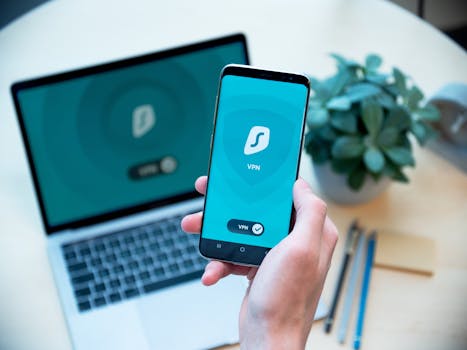
In today’s interconnected digital landscape, protecting your privacy and ensuring your online security are more important than ever. With cyber threats on the rise, the need for a reliable Virtual Private Network (VPN) is clear. However, with hundreds of VPN services crowding the market, it’s not always obvious which ones truly deliver on the promises of safety, speed, and privacy. To avoid falling for flashy marketing or lackluster products, it’s crucial to know what differentiates a quality VPN from the rest. This article delves into the essential features and functions that define a top-tier VPN, helping you make a well-informed choice for your digital security.
The Importance of Choosing the Right VPN
Not all VPNs are created equal. A poor-quality VPN can expose you to data leaks, sluggish connections, or even sell your data to third parties. In 2023, it was reported that 17% of free VPN apps tested on Android were found to contain malware or adware, and 59% had privacy risks including data tracking and leaks. Choosing a reputable, quality VPN is the difference between strengthening your online defenses and leaving yourself vulnerable.
The right VPN serves as a secure tunnel between your device and the internet, encrypting your data and masking your IP address. This not only protects sensitive information from hackers and surveillance but also enables access to geo-restricted content and safe usage on public Wi-Fi. However, only high-quality VPNs consistently deliver these benefits without compromise.
Core Security Features: What Sets a Quality VPN Apart
Security is the backbone of any VPN, but not all services provide the same level of protection. Here’s what to look for:
1. $1: The gold standard for VPN encryption is AES-256 bit, the same level used by banks and military institutions worldwide. This protocol is virtually unbreakable with current technology. Quality VPNs also support secure tunneling protocols like OpenVPN, WireGuard, or IKEv2/IPSec, which offer both speed and security. 2. $1: A kill switch is a must-have. This feature automatically disconnects your device from the internet if the VPN connection drops, preventing accidental exposure of your IP address or data. According to a 2022 survey, only about 60% of consumer VPNs included an effective kill switch. 3. $1: Even with a VPN, DNS or IPv6 leaks can reveal your browsing activity or real IP address. A robust VPN must prevent these leaks by routing all traffic through secure encrypted tunnels. 4. $1: Sometimes referred to as ‘double VPN’, this feature routes your connection through two or more servers, adding an extra layer of anonymity and making it harder for anyone to trace your online activity.Privacy Policies and Data Handling: Reading Between the Lines
Beyond technical security, a VPN’s approach to user privacy is critical. Many services claim to be “no-logs” VPNs, but the reality can be murky.
- $1: A genuine no-logs VPN does not collect or store any logs of your online activity, connection timestamps, or IP addresses. Look for VPNs that have undergone independent audits to verify their claims. For example, ExpressVPN and NordVPN have both completed third-party audits, giving users greater confidence in their privacy practices. - $1: Where a VPN company is based determines which data laws apply to it. Privacy-friendly jurisdictions such as Panama, the British Virgin Islands, or Switzerland do not have mandatory data retention laws, offering stronger protection. In contrast, VPNs based in countries with surveillance alliances (like the Five Eyes) may be compelled to hand over user data. - $1: Leading VPNs publish annual transparency reports, detailing government requests for data and how they respond. This level of openness is a good indicator of a trustworthy provider.Performance and Server Infrastructure: Speed, Reliability, and Choice
A VPN is only as useful as its ability to deliver fast, consistent, and reliable connections. Here’s what to assess:
- $1: The more servers and locations a VPN offers, the better your chances of finding a fast, nearby server. Top providers like NordVPN and CyberGhost offer over 5,000 and 9,000 servers respectively. - $1: Some VPNs use only physical servers, while others use a mix of physical and virtual servers. Physical servers are generally more secure, but virtual servers can provide access to more regions. - $1: Avoid VPNs that impose bandwidth or data caps, especially if you plan on streaming or torrenting. - $1: A quality VPN minimizes speed loss. While some reduction is normal due to encryption, high-end VPNs typically maintain at least 80-90% of your base internet speed. - $1: Many users have multiple devices. Look for VPNs that allow 5 or more simultaneous connections under one account.Advanced Features: Beyond the Basics
Cutting-edge VPNs offer a suite of additional features to enhance user experience and security.
- $1: This lets you route some traffic through the VPN while letting other apps access the internet directly. For example, you can stream Netflix via VPN while using your banking app on your regular connection. - $1: These servers disguise VPN traffic as regular web traffic, helping you bypass VPN blocks in restrictive countries like China or Iran. - $1: Some VPNs offer the option to purchase a dedicated IP, which can be useful for secure business access or online banking. - $1: Built-in blockers can protect you from ads, trackers, and malicious websites, reducing the risk of malware infections. - $1: Quality VPNs provide round-the-clock support via live chat or email to promptly resolve any issues.Comparing Top VPN Features: Data Overview
Use the following table to compare essential features of some of the most reputable VPN providers as of 2024:
| VPN Provider | Encryption | No-Logs Policy (Audited) | Server Locations | Kill Switch | Simultaneous Connections | Obfuscated Servers |
|---|---|---|---|---|---|---|
| ExpressVPN | AES-256 | Yes | 94 countries | Yes | 8 | Yes |
| NordVPN | AES-256 | Yes | 60 countries | Yes | 6 | Yes |
| CyberGhost | AES-256 | Yes | 91 countries | Yes | 7 | No |
| Surfshark | AES-256 | Yes | 100 countries | Yes | Unlimited | Yes |
| Proton VPN | AES-256 | Yes | 69 countries | Yes | 10 | Yes |
These numbers highlight the diversity in server locations, simultaneous connections, and advanced features across leading VPN providers. Always match your needs—such as travel, streaming, or business use—to the features offered.
How to Spot Red Flags: Signs of a Low-Quality VPN
While recognizing quality is important, knowing what to avoid is equally crucial. Here are warning signs of subpar VPNs:
- $1: Many free VPNs fund themselves by selling user data or bombarding you with ads. In one 2021 analysis, 72% of the top free VPN Android apps requested access to sensitive data unrelated to VPN functionality. - $1: Beware of vague privacy policies or companies unwilling to disclose ownership or audit results. - $1: If a VPN lacks a kill switch, uses outdated encryption (like PPTP), or doesn’t have DNS leak protection, steer clear. - $1: A reliable VPN should not frequently drop your connection or slow your internet to a crawl. - $1: Check independent review sites and forums for user experiences. Frequent complaints about privacy violations or customer support are red flags.Final Insights: Making Your VPN Choice Count
Choosing a quality VPN is an investment in your digital safety, privacy, and peace of mind. The features and functions outlined above are more than just technical jargon—they are the foundation of a secure and seamless online experience. Prioritize VPNs that are transparent, independently audited, and offer robust security and privacy measures. Carefully consider your own needs, whether it’s streaming, business travel, or simply browsing safely at home, and select a provider whose features align with your requirements.
Quality VPNs may cost more than free alternatives, but the protection, performance, and privacy they provide are well worth the investment. As cyber threats evolve, so should your digital defenses—don’t settle for less than the best when it comes to safeguarding your online presence.